

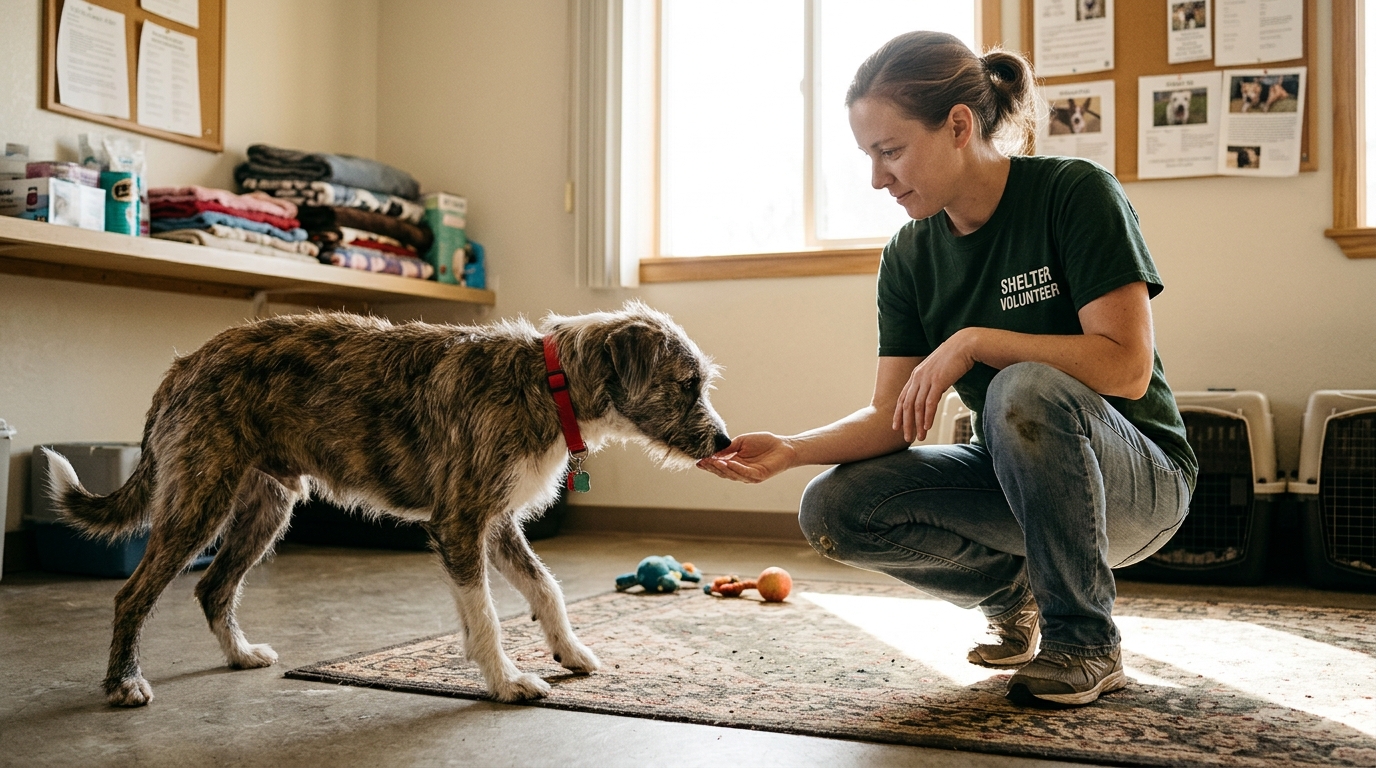
You gave twenty dollars to an animal rescue once, and ever since, a photo of a dog named Biscuit has been landing in your inbox each month. Biscuit has learned to trust again, and last week’s update mentioned that the shelter was getting ready for winter. You gave again before you finished reading.
Nobody pressured you. The shelter had spent months showing you what your kindness could do, and the ask felt like the next chapter of a story you were already in. Picture your own customers feeling that way the next time your business makes an offer.
I’ve spent years on the other side of those emails, and what most business owners don’t know is how little of the work happened in the final weeks of the year. The ask itself took a few lines, and the trust behind it took twelve months of showing up.
That is the part small business owners rarely get to see, and it carries over to a business of any size. If you run a small business and want customers to say yes this fourth quarter without leaning on pressure or discounts, these are the nonprofit habits worth borrowing.
Earn the Yes Long Before You Make the Offer
Look back at the months before that second gift to Biscuit’s shelter. You might remember a photo of him arriving thin and wary, and a thank-you that named the vet bill your twenty dollars helped cover. Neither message asked you for anything.
Both were small deposits of trust, and the shelter made them on purpose. Nonprofit development teams plan these touchpoints as carefully as the ask itself, and your business can plan them the same way.
It also explains why so much giving happens at the end of the year. Roughly 30% of annual charitable giving arrives in November and December, and about 12% lands in the final three days alone. Those gifts feel spontaneous, yet they are the harvest of everything that came before. Your fourth-quarter sales follow the same pattern.
Your business has its own version of Biscuit’s story, such as a behind-the-scenes look at how you work, or a customer’s good news that you are proud to share. People who have heard from you with something useful or warm will receive your eventual offer as a continuation of that conversation. If the only time they hear from you is when you have something to sell, the ask lands like a message from a stranger.
Pair Your Customer Stories With Real Numbers
Nonprofits rarely stop at “we served 400 meals.” They introduce you to one family at one kitchen table, and then they let the number show you how many other families that story represents. The story carries the feeling, and the data gives it weight.
Charity: water built its reputation on this approach. Supporters see where their money went, down to the GPS coordinates of completed water projects, alongside the faces of the people who now have clean water. Nothing about it feels vague.
Your firm can use the same approach. Take a small accounting practice. Instead of announcing that it serves 200 clients, it could share how the owner of a family landscaping company stopped dreading tax season once his books were in order, then mention that he has since referred eleven other local business owners to the firm. The client is the hero, and the firm is the reason things got a little easier.
Thank Customers Before You Sell to Them Again
Penelope Burk, who has spent decades researching donor behavior, found that 93% of donors would give again if they received a prompt, personal acknowledgment showing what their gift made possible. In one of her experiments, donors who received a personal thank-you call within 48 hours gave 39% more on their next gift.
The nonprofit sector retains only about 19% of first-time donors, which mirrors the gap small businesses see between a first purchase and a second. Much of that loss happens in the silence after the first transaction.
For your business, the fix is simple. Send a short note or voice message within two days that thanks the customer and names what their purchase made possible. Leave out the coupon and the survey so the thanks can simply be thanks.
Build a Customer Community Around What You Care About
The strongest nonprofits treat supporters as participants. Charity: water’s monthly giving community, The Spring, grew past 60,000 members with retention above 95%, largely by sending members good news from the field each month and inviting them into the progress.
Your business can build the same kind of loyalty through behind-the-scenes updates and partnerships with a cause your customers already care about. Invite people to see how your business works and where it is headed, and they begin to feel like part of it.
If you do partner with a cause, say exactly what you are giving and to whom. Specific commitments invite trust, and vague ones invite questions.
Marketing That Stays True to You
Nonprofits have long shown that customers respond when they feel known and valued. That kind of marketing takes patience, and it rewards the small businesses willing to keep showing up between the asks.
You can begin small, with a story that shows the why behind your work and a thank-you note that asks for nothing in return. Over time, these gestures add up to an audience that is ready to say yes when you finally do ask.
You can keep your values and your prices exactly where they are. Marketing built on care tends to bring the right people back.
Wondering Where to Begin?
At Wayward Kind, we work with small businesses and purpose-driven organizations to bring the relationship-first habits of nonprofit marketing into everyday practice. If your marketing has felt like a steady stream of asks with little connection in between, reach out and let’s talk about what a warmer, more sustainable approach.